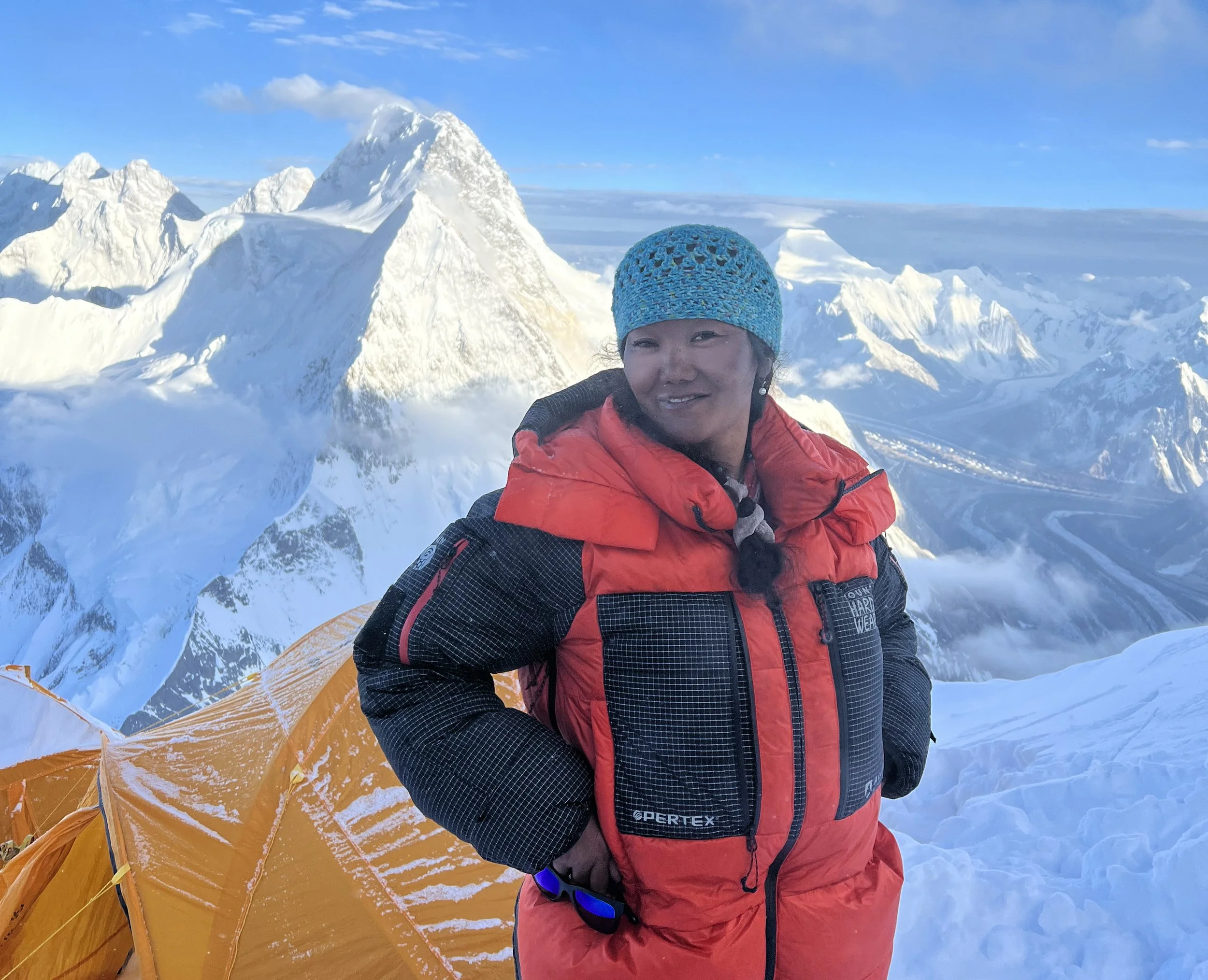
TFN Talks had the privilege of sitting down with the star of Netflix’s Mountain Queen, Nepali mountaineer Lhakpa Sherpa, the first Nepali woman to successfully summit Mount Everest. Recently back from her record-breaking 11th summit of the tallest mountain on earth, we spoke about her life, inspirations and her company, Hiking With Lhakpa. From growing up in the remote Himalayas to becoming one of the world’s most accomplished female mountaineers, Lhakpa’s extraordinary journey is one of resilience, determination and an unwavering connection to the mountains that have shaped her life.
Lhakpa, what was it like growing up in Nepal and how did your journey in mountaineering start?
I grew up in a remote village near Makalu Mountain. I had four brothers and six sisters. We grew up on a farm with no electricity. My father was a wandering trader and he would take me with him on his month long journeys. I was an outgoing child and people loved buying butter, salt and cheese from me. As I got older, I rejected the work and expectations my mother put on me and I became a porter. Eventually I became a kitchen boy for mountaineering expeditions. That is roughly the path I took to get into mountaineering.
This past May you set a new personal and global record, sumitting Everest for the 11th time. What pushes you to come back to the mountain again and again?
I am addicted to mountain climbing. This is my passion, I didn't go to school and this is all I know. Climbing Everest 11 times and climbing K2, that is my degree. I just want to keep making my record bigger.
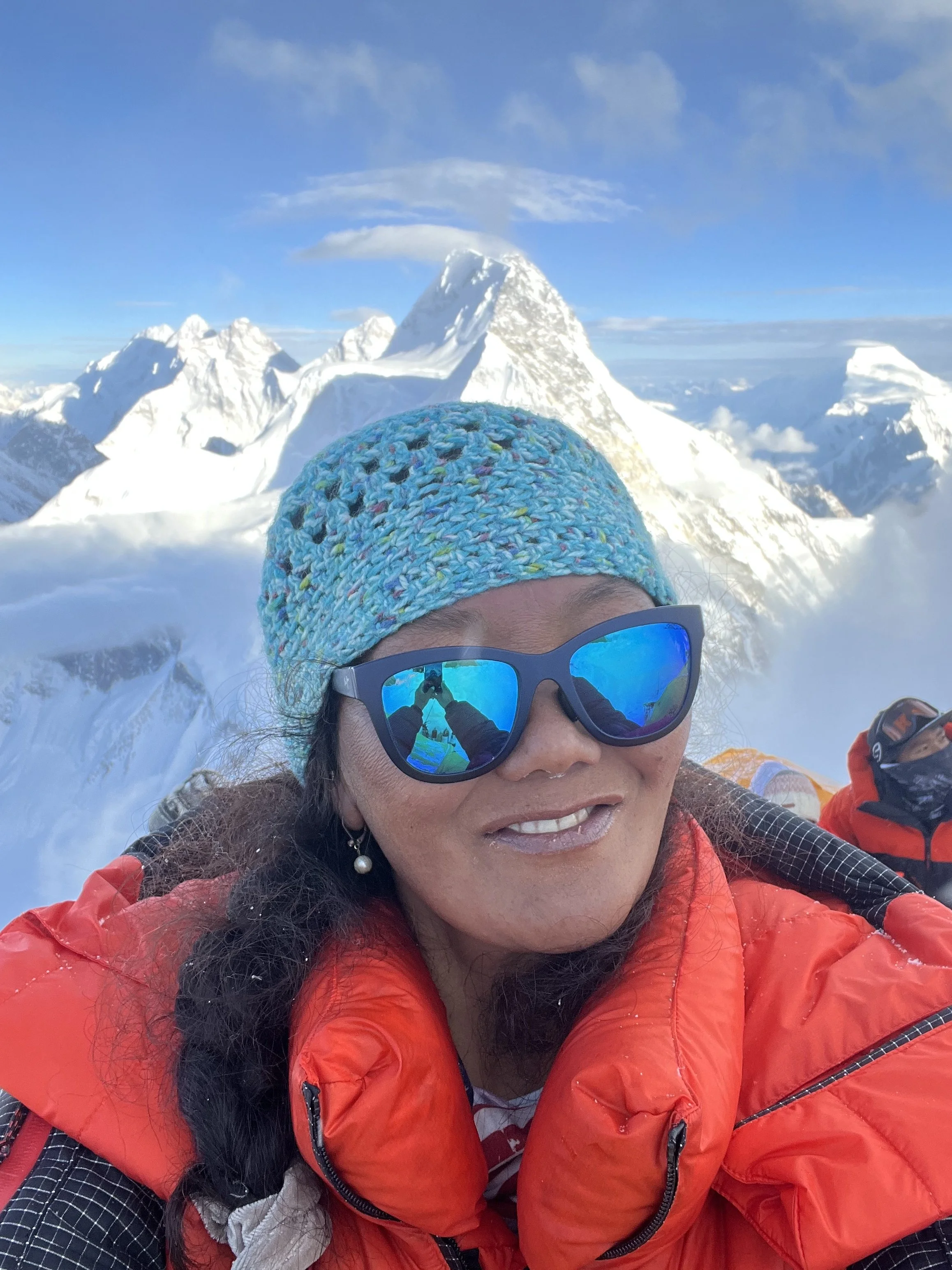
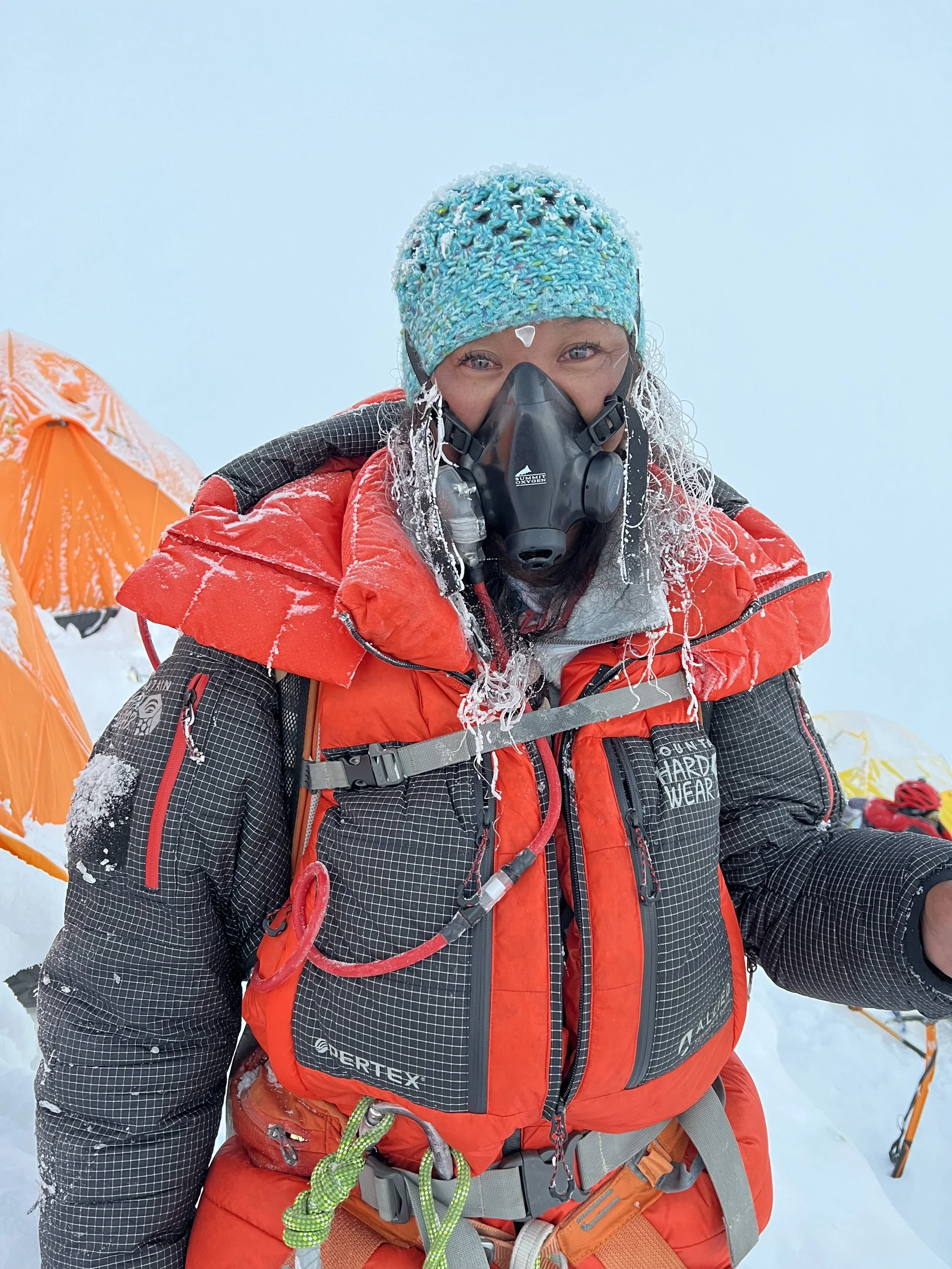
Can you tell us about your company ‘Hiking with Lhakpa’? How did the idea for this come about?
I have always wanted my own guiding company. I love guiding people no matter if it is Everest or anywhere else. I have gained a lifetime of outdoors skills and I want to share my knowledge on how to survive in nature. Now I have given myself a better opportunity though hiking with people and giving keynote speeches whenever I can.
What can clients expect from your treks and what have so far been some of the most joyful moments of running your own business?
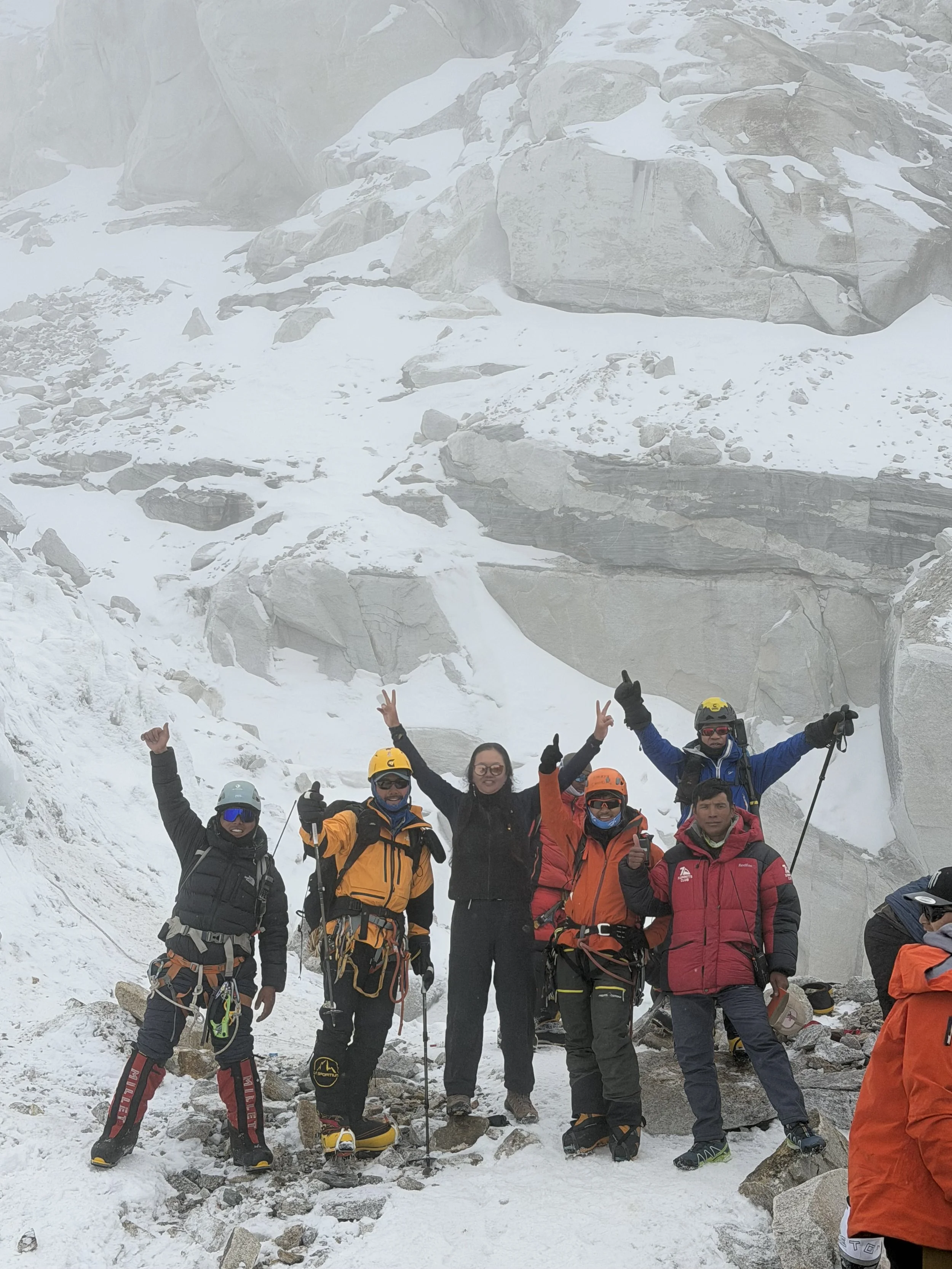
I hire the strongest, most capable Sherpa's. When I climb Everest, I climb with the best team possible. In terms of normal treks like Everest Base Camp or Annapurna round, I bring very capable Sherpa. I also book the most comfortable accommodations for the group. We are also trained in first aid and have emergency oxygen in case someone starts to suffer from altitude sickness. My favorite moments are when I am hiking with people and we are just having a good time, sharing our stories, and telling each other jokes while looking at beautiful views. That is what life is about.
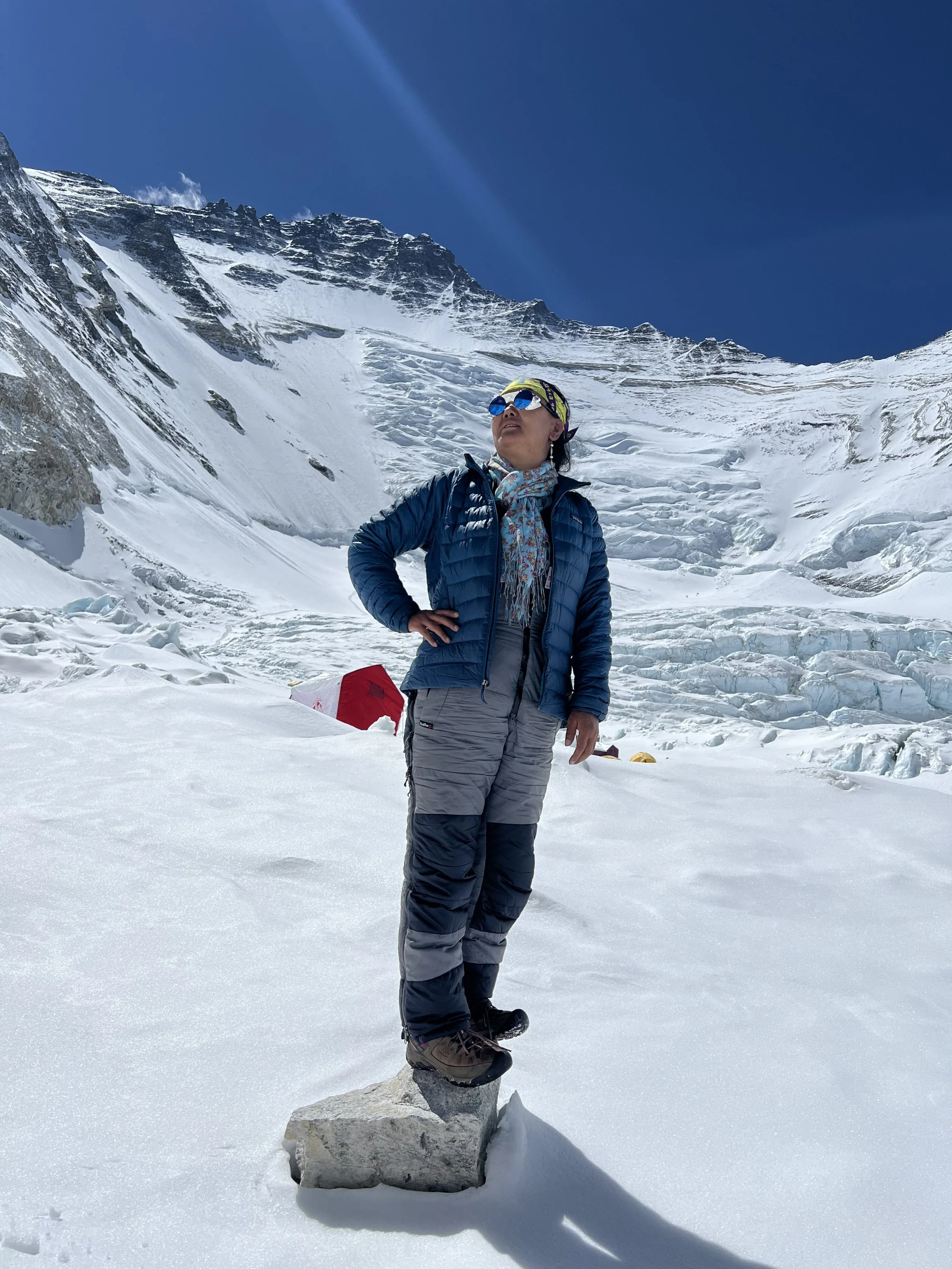
What is it like to be a female mountaineer in Nepali society? When you were a young woman you mentioned that at first you were not taken seriously when you inquired about Everest. How has the landscape changed after you became the first woman to successfully summit and return from Mount Everest a record breaking 11 times?
It is very difficult to be a female mountaineer in Nepali society. To be a female mountaineer is to break the established gender norms. Women are supposed to be weaker than men, not equal. It's very hard to find sponsors as a woman. When I was a porter, I had to pretend to be a boy so that I could get the work. It took me 10 years of asking many people before I finally had the support to go on my first Everest expedition. There was no internet or email so it was difficult. Now it is easier for Nepali women to go mountain climbing. It has become more accepted.
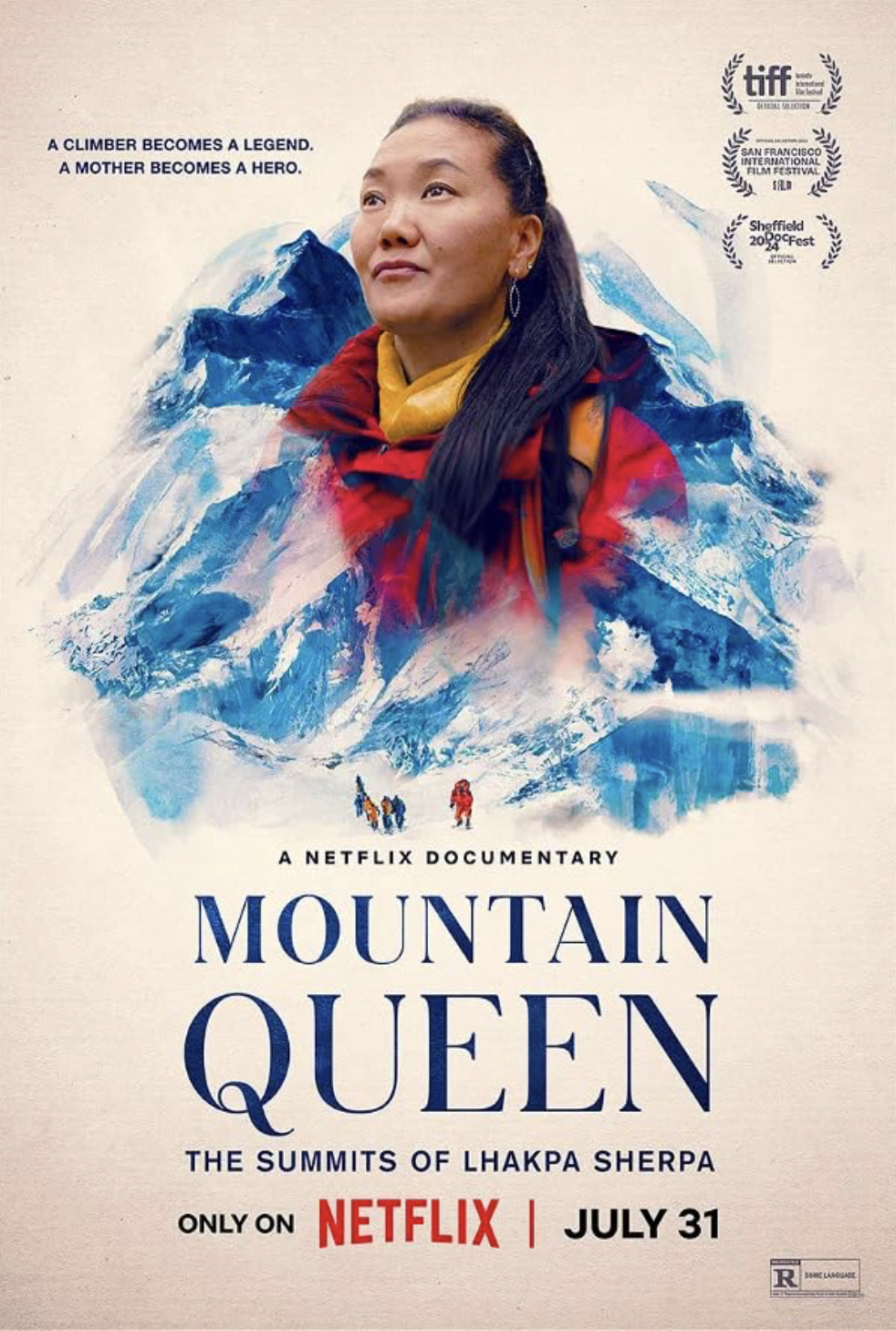
Mountain Queen Streaming now on Netflix
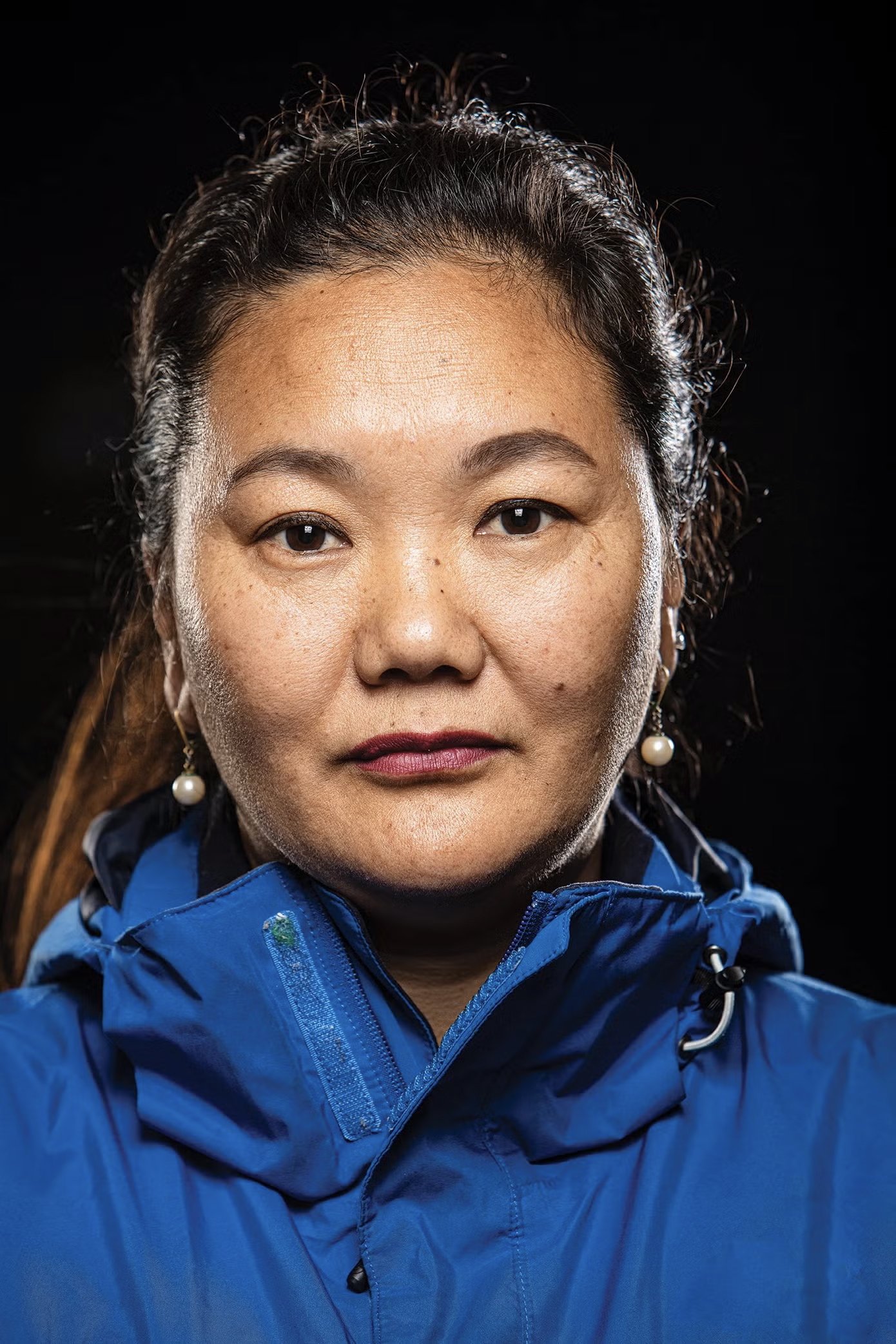
Photo by Christopher Beauchamp
In the Netflix documentary ‘Mountain Queen’ you talk about seeing Pasang Lhamu Sherpa during her memorial service, laying down flowers for her and feeling the power of her spirit transfer to you in that moment. Did you ever think looking back on that day and on that spiritual experience, that one day you would become an inspiration just like her to so many Nepali women and women all over the world, and that you would be able to complete the mission she started by sumitting and being able to come back? Do you still feel that connection with her?
At that moment, I wasn't thinking about Nepali women. I was thinking about summiting Everest and not dying. I felt like I wanted to do something that no other woman can do. I already knew how to take care of a farm, how to take care of a family. I wanted to know something new, something challenging. It wasn't until much later after many summits that I could see the impact I had on the mountaineering community. I still feel her connection. She showed me my path to Everest. Her soul is a part of me. She had one son and two daughters, and many years later, so did I.
When I watched your documentary it appeared to me that you have a very tangible, powerful spiritual connection with Mount Chomolungma (Everest). On one of your summits you were two months pregnant with one of your daughters, which I find absolutely astonishing. And the mountain kept you safe and gave you passage. The Nepali refer to Everest as ‘the mother Goddess of the world’. Can you explain why the mountain is revered for its divine feminine power?
Chomolungma is in Buddhist stories. It is a holy mountain that we pray to. We are told to respect the mountain like our mothers. In reality, we pray to and respect all the mountains. They all have names.
I know contemporary society often praises strong women. I also know that a strong woman is more often than not a byproduct of a difficult life. Looking back on all the events in your life, your upbringing and relationships, the journey that took you to the top of Mount Everest 11 times, do you think that you would have been able to accomplish what you have accomplished in the mountaineering world if you had not had to experience those hardships? Or is it the adversity that drove you to persevere and show that you were capable of great things no matter what life throws at you?
I would agree that the adversity in my life has made me stronger. I learned a lot from my experiences. I am very proud of my 11 Everest summits but I am even more proud of my K2 summit. That was the moment where I felt like I graduated from mountaineering, like I finally got my degree.
What have the mountains taught you over the years? Can you share any personal philosophies?
The mountains taught me how to be strong. It taught me how to deal with ice, how much oxygen to bring, how much food to pack. It taught me how to fight against the weather, and not to give up. To give up in a lot of situations would be death. The mountains taught me when to turn back to stay safe. In a broad sense, the mountain taught me how to survive. Life is like the weather, there are always going to be good days and bad days. Focus on the good days and enjoy them as much as you can. Keep working for 30 years and one day you'll see your results.
As a fearless nomad, you must have visited some pretty incredible places in your life. What is your favourite destination on this planet and why?
My favorite destination on this planet is the top of Everest.
What can we look forward to from Lhakpa in the next few years?
I will attempt to climb Everest every year for the next 10 years. I would also like to high point the 50 United States.
What kind of legacy do you want to leave on this planet and why is it important to you?
I just want to leave behind my name and my accomplishments. I want to be known to have worked hard with dignity, that I worked very honestly. That is very important to me.
Photo credits: Lhakpa Sherpa